
In this 90-minute session, you will:
-
Discover the Systems Wayfinding framework for social transformation first hand and its potential to increase the impact of your work.
-
Experience Dick Schwartz, Steffi Bednarek, and David Kitchings in conversation as they explore the role of Internal Family Systems (IFS) in social transformation and systems change.
-
Find out what it means to act from Self rather than from the reactive, protective parts that most organisational cultures reward.
-
Ask your questions to the faculty and find out whether the full ten-week course is the right next step for you.
Practical details
Date
September 08, 2026
Time
9:00 -10:30 AM (CT)
3:00 - 4:30 PM BST
4:00 - 5:30 PM CET
Location
Online (Zoom)
What is Internal Family Systems for Social Transformation?
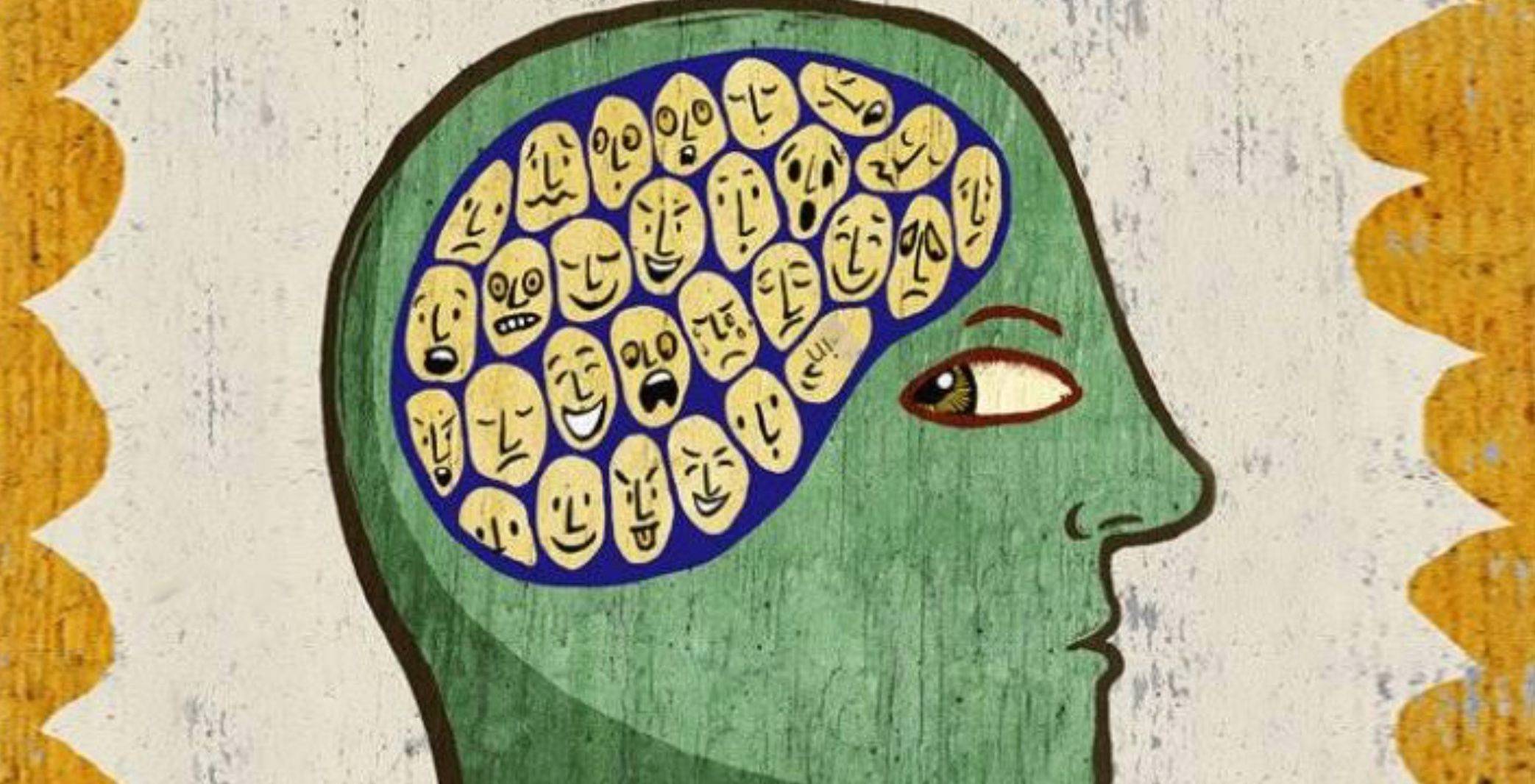
IFS emerged from Dr. Richard Schwartz's observation that we are not a single, coherent self, but an interconnected ecosystem of parts, each with its own logic, history, fear, and protective function.
We may have a part that is hopeful about the change we want to bring, a part that overworks and exhausts the rest of our system, a part that thinks we are not doing enough and a part that zones out to protect us from feeling defeated. Each one of these parts has good intentions and is trying to help.
In four decades of clinical work, Richard Schwartz has shown that our parts take on roles to protect us from harm and to help us fit in.
But what if the system they adapted to is profoundly wounded?
The boundary between inner and outer is more porous than we tend to assume. Parts are not fixed, but shaped by context, relationships, history, and culture. Different parts pick up different signals from their environments, often without us noticing. In doing so parts also unintentionally enact the logic of the systems we want to change. We need a lens to make these dynamics visible.
Beneath the activity and reactivity of parts, there is a calm, grounded centre that we all carry. Richard Schwartz has called this the Self. This is the source of clear vision, courageous action and the capacity to hold complexity, polarity and suffering without collapsing. It is available to all of us.When we shift from parts to Self, we access the capacities that complex times demand.
Until now, the IFS framework has remained largely confined to the individual lens of psychotherapy. By taking IFS out of the consulting room, Systems Wayfinding extends the IFS model and brings it into organisations, movements, and the wider work of social change. This is genuinely new territory.
Book my free placeA FACULTY ASSEMBLED FOR THIS MOMENT
WHO ARE YOUR TEACHERS?

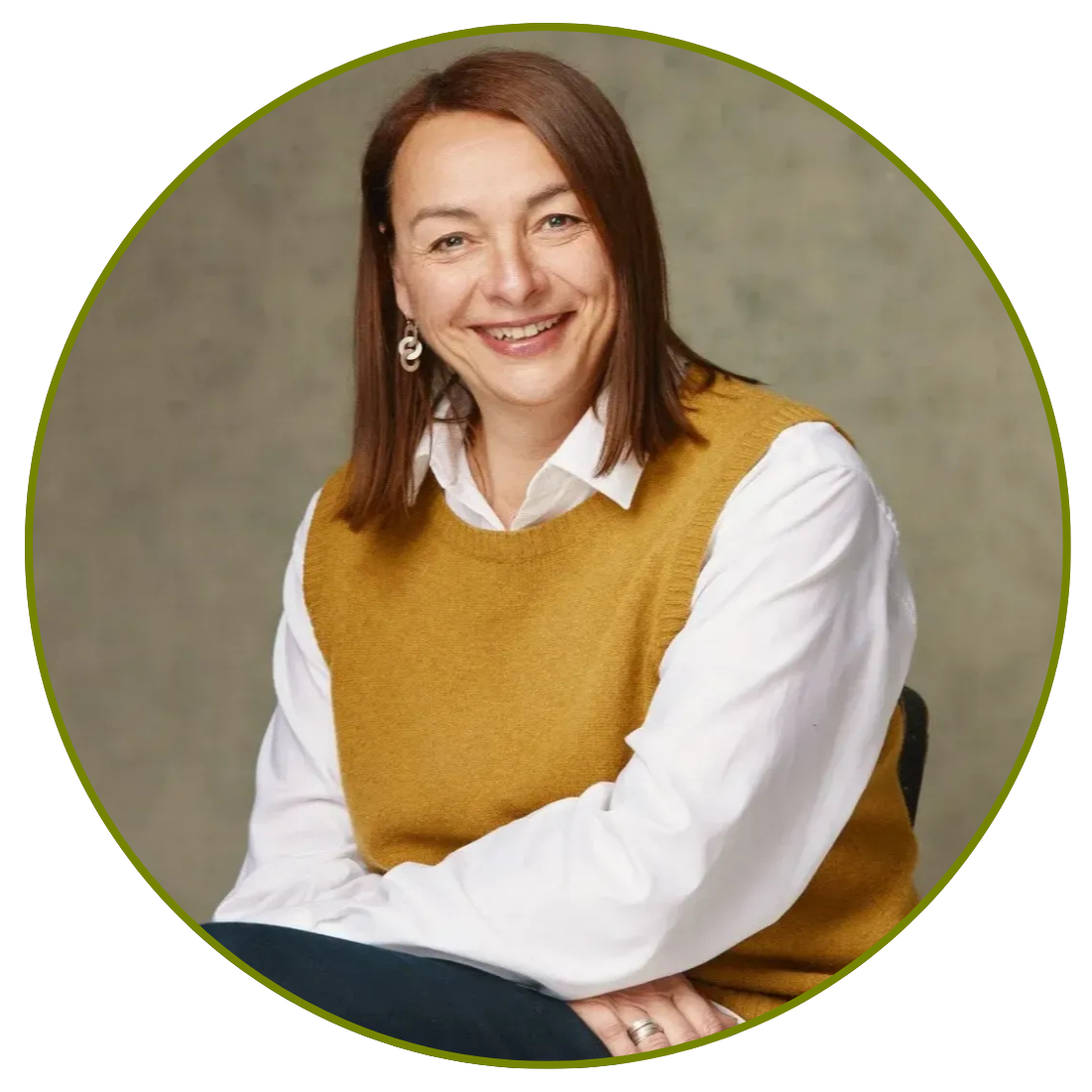
Steffi Bednarek
Steffi Bednarek is the founder of the Centre for Climate Psychology. Trained in Internal Family Systems, Gestalt psychotherapy, trauma therapy, and living systems theory, her work explores the intersection between climate change, complexity thinking and the human Psyche.
Steffi has worked with individuals, teams, organisations, and communities across different sectors. She is the editor of Climate, Psychology and Change (2024), a book, which reckons with the ways power, colonialism, capitalism and our innocent seeming familiar perceptions impact our myriad crises.
Steffi developed Systems Wayfinding through research, practice, pilot programmes, and a collaborative dialogue with Dr. Richard Schwartz, with whom she is also co-authoring a book.
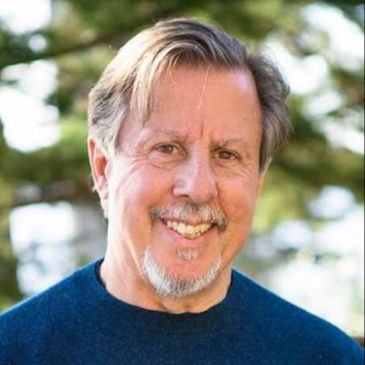
Dr. Richard Schwartz
Dr. Richard Schwartz is the creator of Internal Family Systems, one of the most significant developments in contemporary psychology. He developed the model in response to what his clients were describing: a multiplicity of inner voices, each with its own perspective and protective function, governed by a calm,
compassionate centre he called the Self. Over four decades, the model has grown from a clinical approach into a widely applied framework for therapy, coaching, education, and organisational development. He is the author of numerous books, including No Bad Parts (2021).
Dick's participation in this programme grows directly from his dialogues with Steffi Bednarek — exploring, together, what becomes possible when this model is applied beyond the consulting room, at the scale of systems and civilisational change.
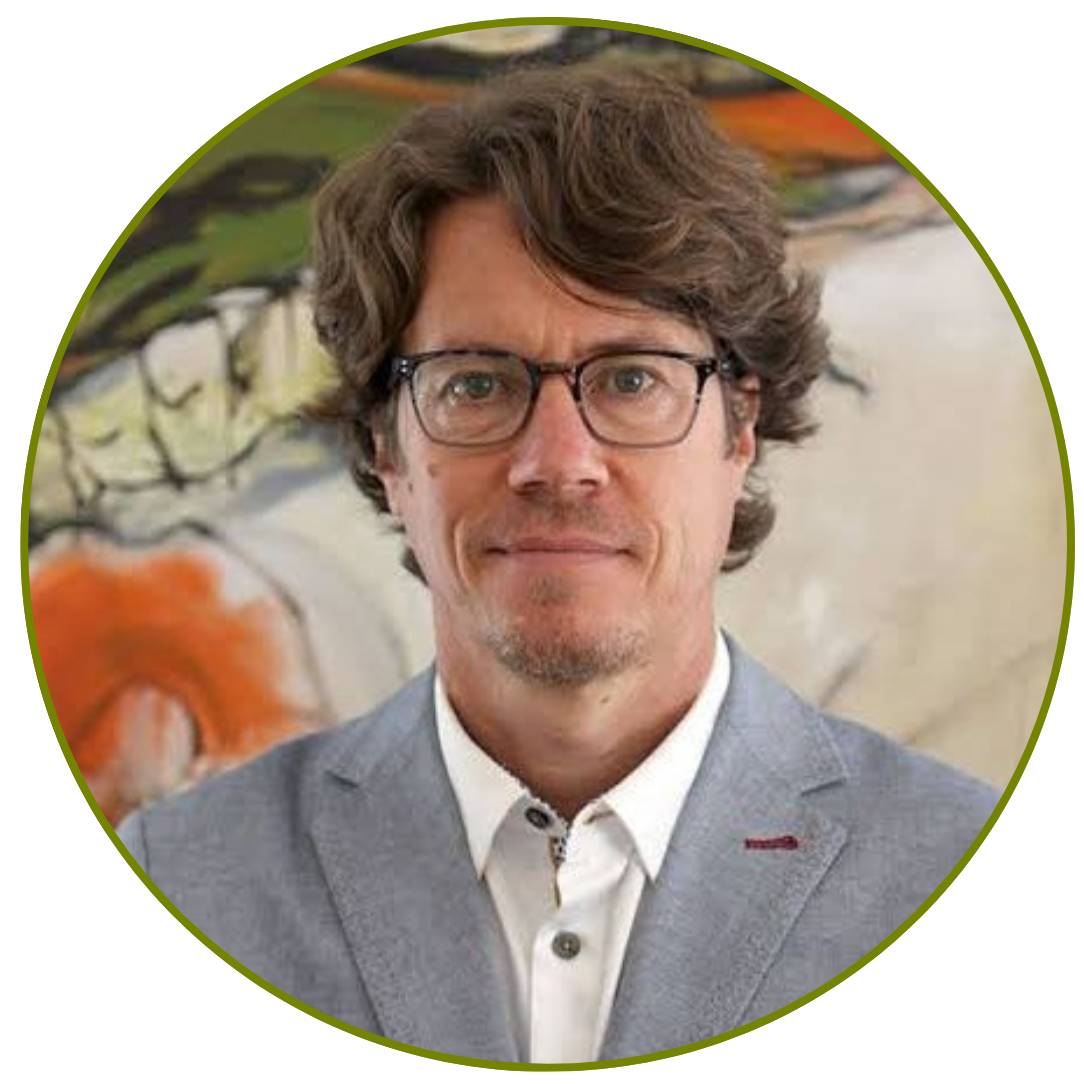
David Kitchings
David Kitchings is a therapist and IFS trainer whose work spans individual therapy, relationship and family work, leadership coaching, and psychedelic-assisted practice. He serves as a bridge between IFS clinical practice and its application across diverse human systems.
A systems thinker by formation, shaped by community mental health, therapy, business, law, and work in cultural development, David has spent his career attending to how people organize, protect, and free themselves, from the intrapsychic to the collective.
Who is this for?
Anyone who feels affected by the profound change that is upon us, who senses that the inner and outer are connected, and wants a rigorous way to work with both.
In a professional capacity it is particularly helpful for:
- Leaders and professionals navigating change, uncertainty and competing demands.
- People working in organisations who want to understand why change gets stuck and what might shift it.
- Change makers, facilitators and community leaders working with complex social challenges.
- Educators, healthcare professionals, policymakers and people working in public service.
- Psychologists, therapists and coaches looking beyond the individual to the wider systems shaping people's lives.
No prior knowledge of IFS is required. What you bring is the lived complexity of your own life.
Book my free place"Steffi Bednarek is an original thinker who has extended IFS into territory where the inner life meets the systems we are embedded in. The result is a framework of unusual power, range, and impact. Systems Wayfinding changes what is possible for anyone working on social transformation."
— Dr. Richard Schwartz
Register for the FREE Masterclass
This Masterclass is free.
We invite you to make a donation to Stop Ecocide International, the organisation working to strengthen legal accountability for the most severe, widespread or long-lasting destruction of the natural world.