

Endorsements:
"Steffi Bednarek is an original thinker who has extended IFS into territory where the inner life meets the systems we are embedded in. The result is a framework of unusual power, range, and impact. Systems Wayfinding changes what is possible for anyone working on social transformation.
I’m not aware of anything else that brings psychological depth and systems literacy together with so much rigor and relevance for our times. I am proud that IFS is part of this vital work and I recommend it wholeheartedly to anyone who feels the urgency of this moment."
- Dr. Richard Schwartz
Founder of IFS
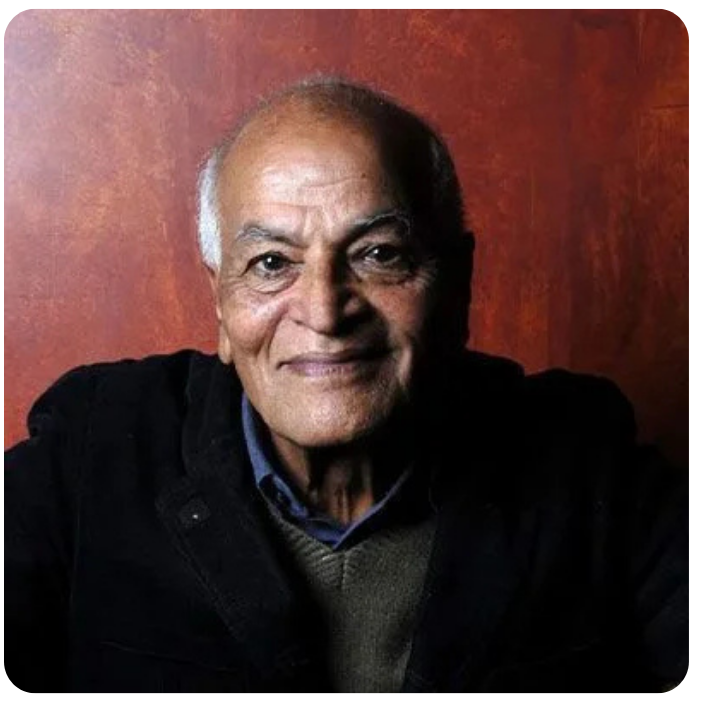
“Systems Wayfinding is a programme of transformation and empowerment. Led by some of our most innovative and experienced teachers, this programme offers a wide ranging exploration of complex systems that will enable you to build a more ecological and inter-connected world view. This programme will enable you to think systematically about the world in which you live and to shift the systems you're part of towards greater health."
— Satish Kumar, Founder of Schumacher College.
“Systems Wayfinding is an utterly unique offering that brings together the best of systems thinking, social activism and cultural creativity in this time of consequential choices, colossal change and profound societal upheaval.
This ten-week program promises new levels of orientation and clarity, agency and empowerment, wellbeing and hope. It is being guided by some of the most visionary voices today, who have come together to meet this moment holistically.
I urge you to consider undertaking this journey for what it might offer your path and for what you might then, in turn, offer to the world."
— Amy Elizabeth Fox
CEO, Mobius Executive Leadership Co-Author, Leading in Chaos
“In my 15 years of climate activism, I've heard the same debate on repeat: should we focus on changing individuals or changing systems? Of course, the answer lies somewhere in the messy middle. We need to change hearts and minds, while simultaneously creating the conditions for a better world to emerge. I'm excited for this course to help people navigate these tensions in a clarifying, empowering environment."
— Clover Hogan, climate activist and founder of Force of Nature
We cannot change what we cannot see
We are facing a convergence of ecological, social and economic challenges that affect everyone everywhere. While significant resources are being invested in technical solutions, most change initiatives fail at the human layer, not the technological layer.
- People feel increasingly overwhelmed and under-resourced, but lack support to adapt to the level of change that is upon us.
-
Teams and leaders are holding more than they were trained to hold and are often expected to meet irreconcilable demands.
- We live inside structures we never consciously chose to adapt to and find ourselves participating in systems that contradict our deepest values.
Traditional methods tend to locate problems where we can see them, and then try to fix what is visible. But sound data and clear strategies don't seem to deliver what is needed.
What if the visible problem only tells half the story?
Beneath the surface, relationships, histories, resistances and inter-connected patterns often keep things stuck. When these patterns remain unseen, we mistake the expression of a problem for its cause,
To affect more sustainable change, we need maps that can make hidden systemic patterns more visible, helping us see what is holding things in place and where there is room for movement.
Systems Wayfinding won't simplify the challenges we face…
It provides navigational tools that surface the systemic information that most traditional methods miss. From an expanded perspective, different actions become possible and new paths through unmapped territory begin to emerge….
Systems Wayfinding
IFS for Social Transformation
Systems Wayfinding is a ten-week online learning journey that brings the renowned ‘Internal Family Systems’ (IFS) approach into the way we understand and navigate the systems we live and work in.
You will learn to see more of what is shaping a situation, including the part you are playing within it.
Systems don't just exist around us. We internalise their rules, pressures, expectations and dysfunctions and start to enact them. Parts of us learn what it takes to belong, succeed, stay safe or be valued. These responses can reinforce the very patterns we are trying to change.
Through practical systems frameworks and experiential IFS inquiry, you will learn to recognise these patterns in yourself and around you, understand what keeps them in place and discover where you have genuine room to affect positive change.
The aim is deeply practical: to see more clearly what is happening, recognise what is yours to do, and find ways of acting that don't simply reproduce the patterns you want to change.
Systems Wayfinding brings the inner and outer into the same field of view, helping you navigate your work, relationships and wider world with greater clarity, choice and agency.
This wayfinding lens is simultaneously personal and political, inner and outer, rigorously grounded and practically applicable.
Enrol now
What is Internal Family Systems and why is it helpful?
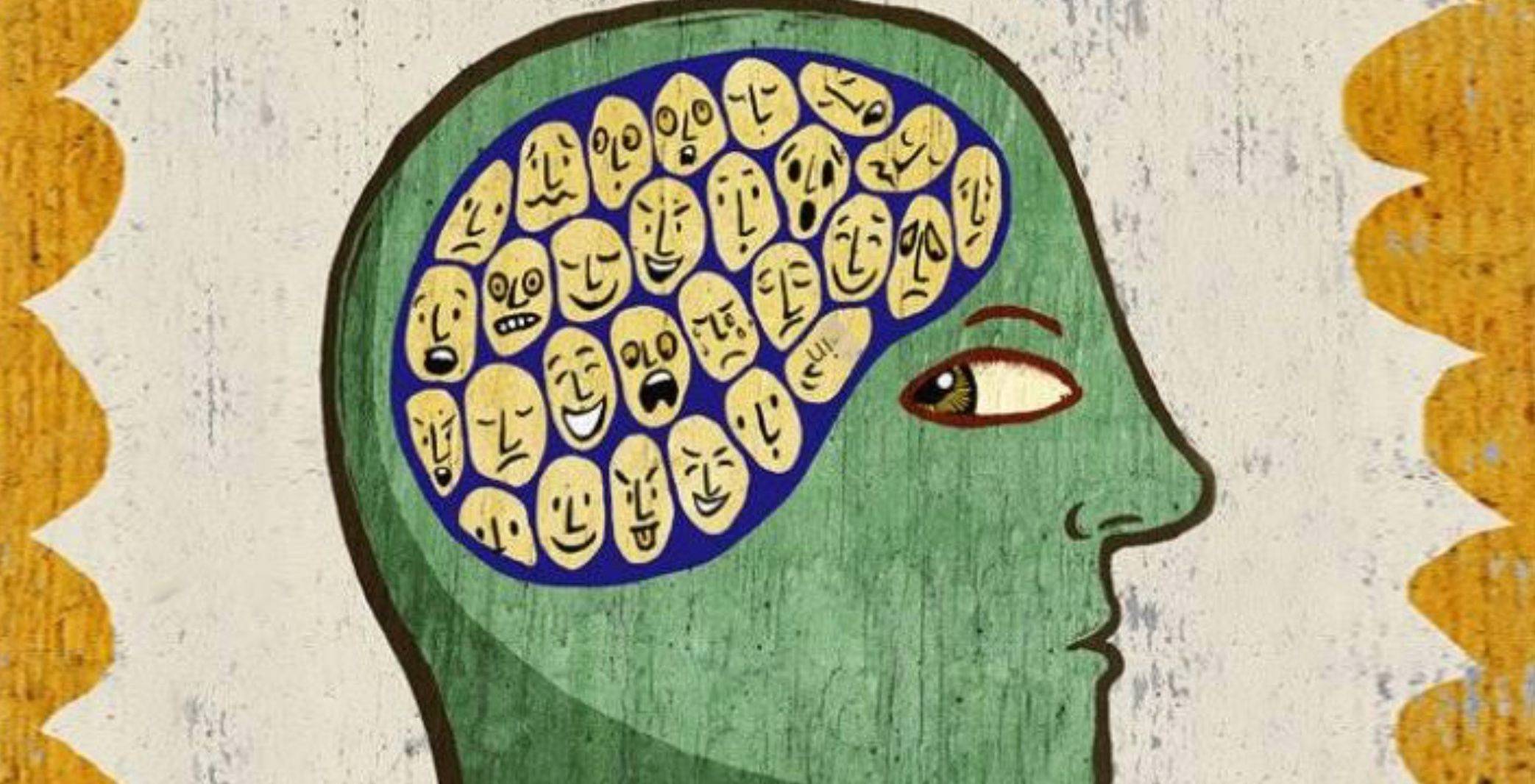
You probably know the experience. You are in a situation and part of you wants to say what you really think, another part warns you to keep quiet and another part zones out.
Rather than seeing us as having one coherent inner voice, IFS understands us as a living ecosystem of different parts. Think of it as an inner team or family. Each part sees something different and carries different concerns, needs and ways of responding.The aim isn't to silence the difficult voices but to notice which parts get activated and to become curious what information they hold.
Knowing which part of you is in the driver’s seat at any given moment is useful because different parts can lead us in very different directions, sometimes without us noticing.
Becoming more aware of our parts and what they care about is the beginning of increased self-leadership,
This way of seeing scales from the individual to the systems around us.
An organisation rewards certain ways of being while others are pushed to the margins. A society becomes organised around particular needs while others are ignored.
At every scale, we can become curious about which parts are dominating, which are protecting, which have been pushed out and what would change if more of a system's intelligence could come into relationship.
This creates a continuous exchange between inner and outer: systems shape our parts, our parts participate in systems, and the patterns that emerge can reinforce both.
Systems Wayfinding helps us make more of this relationship visible, so we can recognise what is shaping us, what we are helping to shape, and where there may be room to respond differently.
This isn't about assuming that you can change everything. It is about learning to distinguish between what you can influence, what you may be adapting to, and where there might be more room for movement than you first imagined.
“We did not develop in isolation. We developed in relation to the wider systems we are embedded in. And those systems operate within us, shaping what we can perceive, what we consistently exile, and what decisions we are capable of making.”
— Steffi Bednarek, Founder, Centre for Climate Psychology
WHAT YOU WILL LEARN
This course will give you a practical framework that applies six core wayfinding skills:
You will grow your capacity for Self energy:
Self energy is the IFS term for our innate capacity for grounded presence and clear-eyed awareness, even under pressure. It is the quality of mind from which our wisest and most creative responses become possible.
You will recognise systemic patterns:
You will learn methodologies that allow you to make invisible systemic patterns visible. This allows you to bring greater awareness to what is being protected, constrained, or excluded across individual, organisational, and systemic levels.
You will apply Wayfinding Tools:
You will gain practical tools that explore the relationally interconnected parts within yourself and the systems around you. Every part is given a place of belonging, even the tricky ones. This integration reduces polarisation and reveals where to focus your efforts to identify powerful leverage points for change.
You will build skillful agency:
You will cultivate the ability to act from deeper presence rather than habit, reactivity or professional script. This will allow you to engage more creatively with conflicting demands.
You will sharpen your ability to listen to what’s ignored:
You will sharpen your ability to notice weak wayfinding signals, the data nobody wants to see, the voice nobody listens to, the knowledge that contradicts the dominant story. By tuning into what is systematically exiled, you’ll uncover the most generative and necessary interventions to create real impact.
You will work with systems sensing, not just systems thinking:
In addition to your cognitive knowledge you will learn how to read the sensual, embodied information that your nervous system gathers about the systems you are part of.
Who is Systems Wayfinding for?

This programme is for anyone who:
- senses that familiar strategies and obvious next steps can easily become part of what keeps things stuck.
- wants to increase their systems literacy in a field where the ground keeps shifting.
- wants a rigorous way to work with complex social challenges at the intersection of inner and outer change
Pilot programme participants worked in: Systemic Change, Local Government, Social Justice, Leadership, Coaching, Facilitation, Policy, Healthcare, Education, Community Organising, Technology, Psychotherapy, Philanthropy, NGOs and other complex environments.
Some were explicitly trying to change systems. Many were simply trying to work and live well within them. What they shared was a sense that the maps they had inherited were no longer sufficient for the territory they were in.
No prior knowledge of IFS is required. What you bring is the lived complexity of your own life.
What Systems Wayfinding is not
This is not a training designed to optimise your capacity to function symptom free within harmful systems. This course turns that logic around and strengthens your capacity to perceive harm that has become normalised.
This is not an IFS Level 1 training. It will not qualify you as an IFS therapist or coach. The premise here is that our parts carry important information about the systems we live and work within. The skill is to learn how to listen.
This is not a didactic model that offers linear fixes to complex situations. It is a framework that provides navigational tools to move through complexity with increased systems literacy
Praise for Systems Wayfinding
A FACULTY ASSEMBLED FOR THIS MOMENT
WHO ARE YOUR TEACHERS?

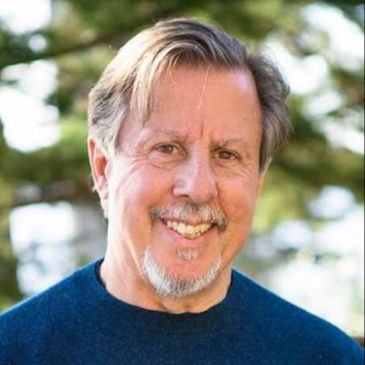
GUEST TEACHER — SESSIONS 3 AND 9
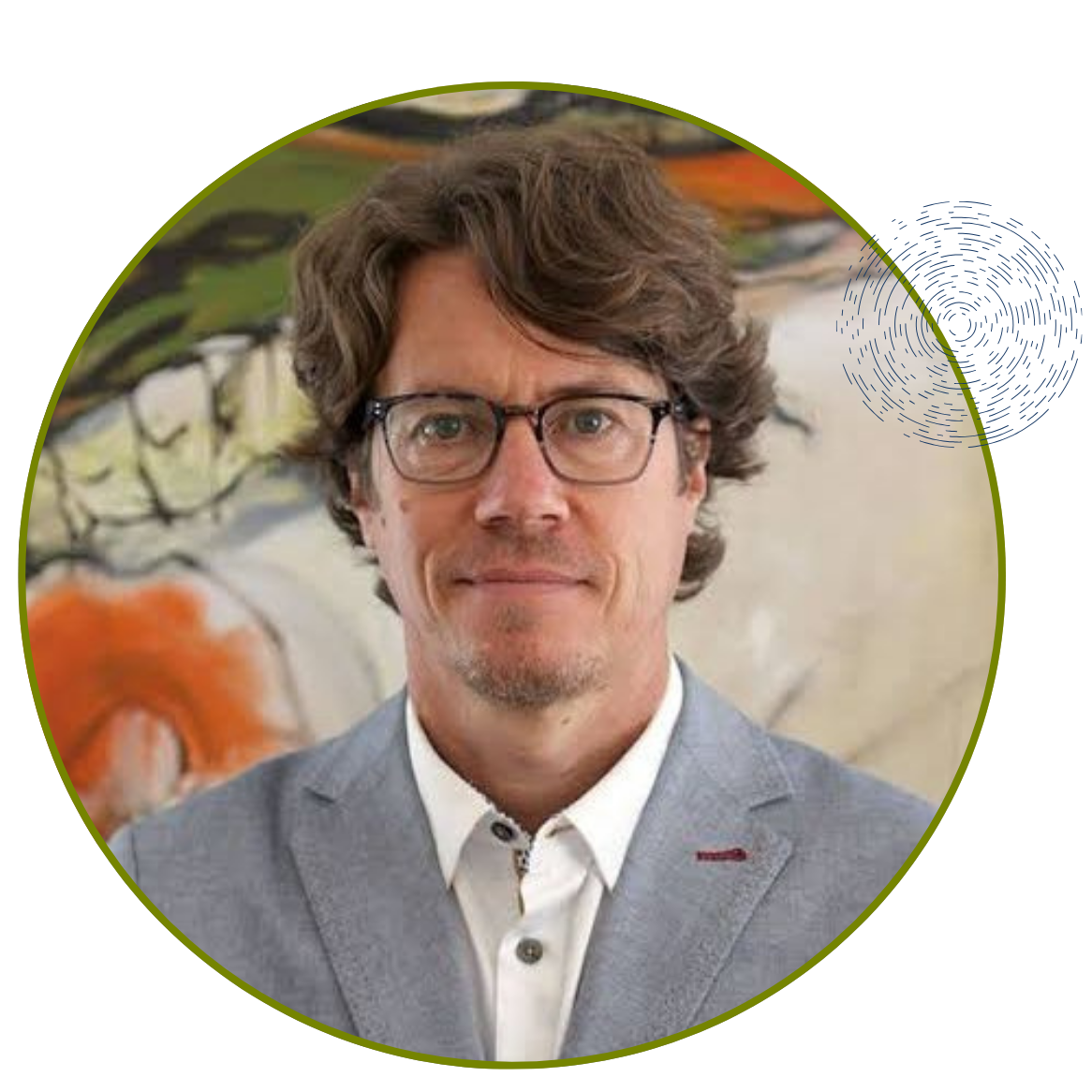
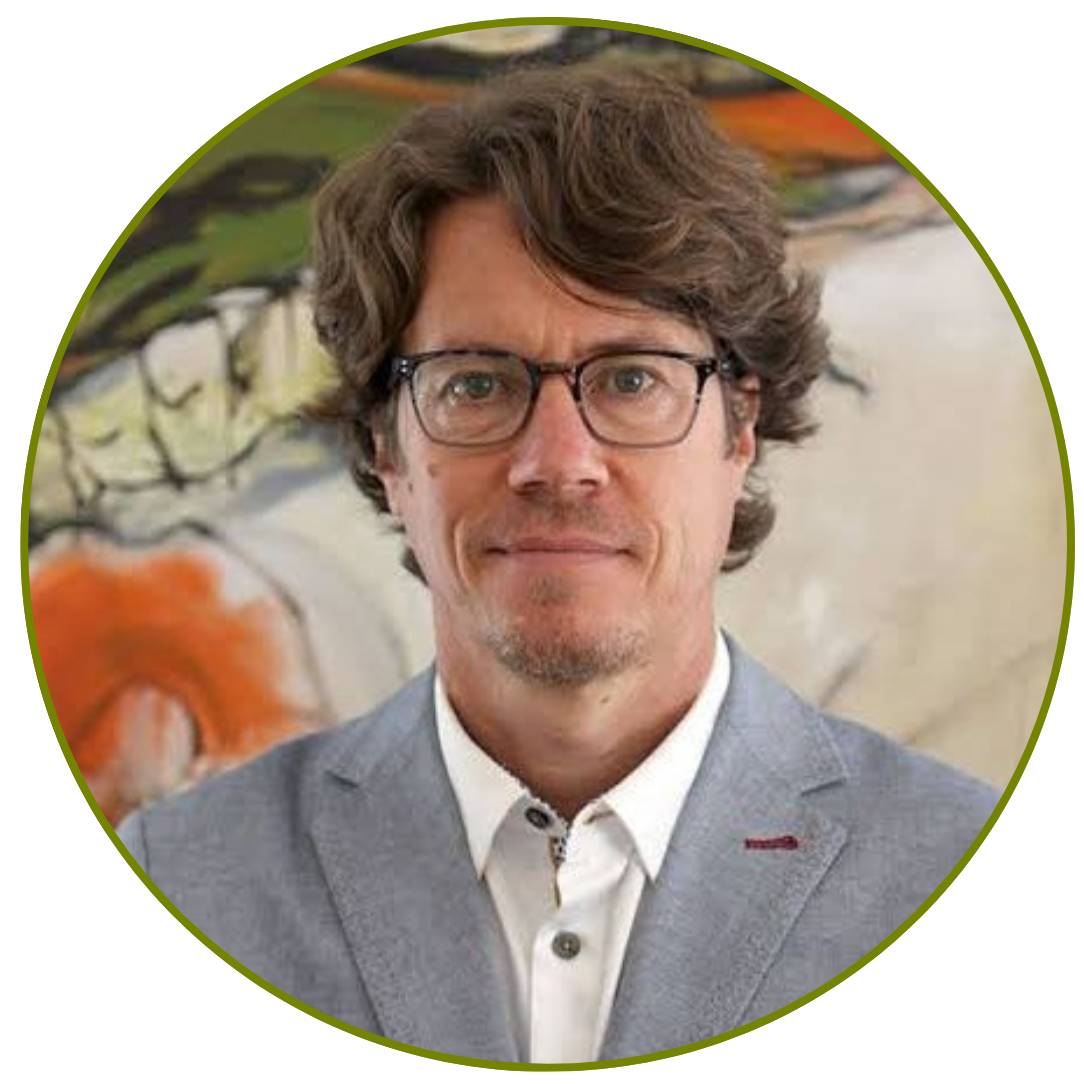
Dr. Richard Schwartz
Dr. Richard Schwartz is the creator of Internal Family Systems, one of the most significant developments in contemporary psychology. He developed the model in response to what his clients were describing: a multiplicity of inner voices, each with its own perspective and protective function, governed by a calm,
compassionate centre he called the Self. Over four decades, the model has grown from a clinical approach into a widely applied framework for therapy, coaching, education, and organisational development. He is the author of numerous books, including No Bad Parts (2021).
Dick's participation in this programme grows directly from his dialogues with Steffi Bednarek — exploring, together, what becomes possible when this model is applied beyond the consulting room, at the scale of systems and civilisational change.
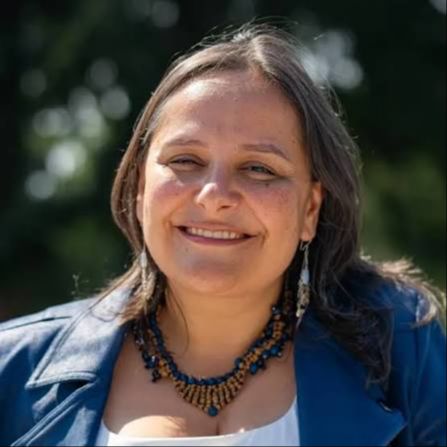
GUEST TEACHER — SESSION 5
Prof. Vanessa Andreotti
Dr. Vanessa Andreotti is a scholar whose work sits at the intersection of decolonial theory, Indigenous knowledge traditions, and radical adult education. Her books Hospicing Modernity (2021) and Outgrowing Modernity (2025) are among the most unflinching accounts of the worldview that produced the ecological crisis.
Her concept of “hospicing” describes accompanying the end of a worldview without hastening or trying to rescue it. She is joined by her daughter Giovanna Andreotti, who brings this work into the intergenerational and relational dimensions.
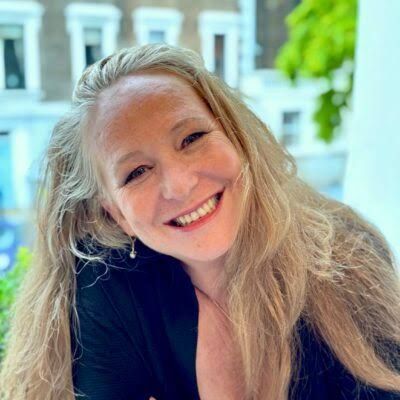
GUEST TEACHER — SESSION 7
Nora Bateson
Nora Bateson is a writer, filmmaker, educator, and systems thinker whose work explores the intersection of ecology, learning, and human complexity. Daughter of Gregory Bateson, she has developed the concepts of symmathesy and Warm Data — central to this programme. Her work challenges the dominant
assumption that we can understand any part of a living system by studying it apart from everything else. She offers a way of perceiving that is simultaneously rigorous and fully alive to the complexity of how life unfolds.
GUEST TEACHER — SESSION 5
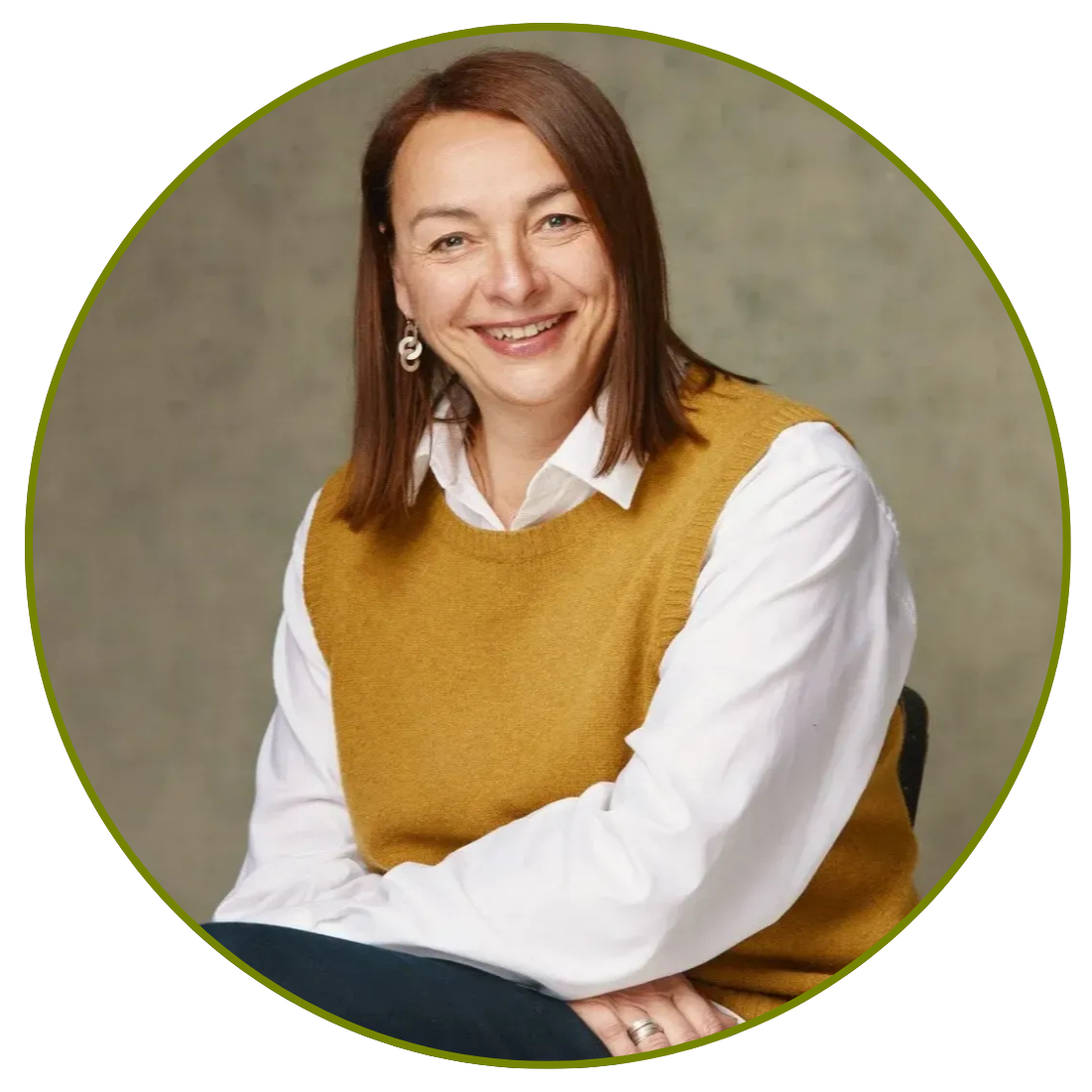
Giovanna de Oliveira Andreotti
Giovanna holds a Bachelor’s in Psychology from UBC, postgraduate certifications in Climate Psychology and Embodied Social Justice, and currently coordinates an intergenerational inquiry that maps pedagogical practices addressing complexity, complicity, collapse, and accountability. Giovanna has been involuntarily steeped in depth-education from birth (courtesy of her mother, Vanessa Andreotti).
THE CURRICULUM:
Ten weeks.
A deliberate arc.
Ten weekly sessions of 2.5 hours, running October to December 2026. Each session combines teaching, live demonstration, small group inquiry, and guided practice. Sessions are live and interactive (not pre-recorded). All sessions are recorded and available to participants for 90 days after the programme ends.
Week 0 October 1 4.30–5:30PM UK/GMT WEEK 0 · 1 OCTOBER Optional Orientation Session: an introduction to core concepts With: Dr. Kira Cooper Read more
This optional orientation session will help participants begin to explore the systems transformations landscape before the official programme begins. We will take a first, light and exploratory look at core themes including the ‘Metacrisis’ and ‘Modernity’, and begin sensing how these patterns may already be showing up in daily life and the world around us.
Week 1 October 8 4.30–7PM UK/GMT WEEK 1 · 8 OCTOBER The Fractal Principle With: Steffi Bednarek and David Kitchings Read more
You will be introduced to the foundations of the two central lenses of the programme, (Internal Family Systems and systems thinking) and start to see how patterns repeat across scales from personal to cultural experience. You will start locating your own parts in relation to this material and leave with the first practices to take into your own life.
Week 2 October 15 4.30–7PM UK/GMT WEEK 2 · 15 OCTOBER Exiles and Collective Burdens: What Gets Pushed Out With: Steffi Bednarek and David Kitchings Read more
Most psychological and leadership frameworks focus on inner change in the hope that outward conditions will follow. We explore how the conditions of a culture actively shape what needs to be exiled in us. Awareness and understanding of what gets pushed out of personal, professional and collective cultures is essential in empowering us to see what needs to be welcomed back in. We will ask what societies cannot hold and explore the relationship between systemic oppression and systemic dysfunction.
Week 3 October 22 4.30–7PM UK/GMT WEEK 3 · 22 OCTOBER Self-Energy and the Change Agent Guest: Dr. Richard Schwartz With: Dr. Richard Schwartz, in conversation with Steffi Bednarek and David Kitchings Read more
Dr. Richard Schwartz, the creator of Internal Family Systems, joins us to explore the relationship between the grounded, compassionate centre he calls ‘Self’ and the protective patterns that obscure it. Drawing on his own work with activists and change-makers, Dick introduces ideas that will be deepened across the following weeks. Learning to recognise when protective parts have taken the lead is a skill that changes how you respond, but also how steady you can remain in stormy times.
Week 4 October 29 4.30–7PM UK/GMT WEEK 4 · 29 OCTOBER Cultural Managers and Cultural Firefighters With: Steffi Bednarek and David Kitchings Read more
Building on Dick's foundation, we map the parts that maintain the status quo through control, analysis, performance and the collective myths that modern culture provides. You will learn to recognise these patterns in yourself and the organisations you are part of and learn to spot the part that needs to stay in control, the part that retreats into analysis when feeling is too much, the part that performs competence to avoid appearing uncertain etc. Awareness of these parts in real time gives you the option to consciously choose a different response.
Week 5 November 5 4.30–7PM UK/GMT WEEK 5 · 5 NOVEMBER Hospicing Modernity Guest: Dr. Vanessa Andreotti With: Dr. Vanessa Andreotti and Giovanna Andreotti Read more
Prof. Vanessa Andreotti, scholar of decolonial thought and author of Hospicing Modernity joins us with her daughter Giovanna. Together they offer a framework for understanding what the dominant worldview was built on, what it has suppressed, and what it means to accompany its transformation with honesty rather than denial.
Week 6 November 12 4.30–7PM UK/GMT WEEK 6 · 12 NOVEMBER The Voice of the System With: Steffi Bednarek and David Kitchings Read more
In this session we will work directly with the parts that carry the logic of the dominant culture. This is one of the programme's most challenging and generative sessions.
Week 7 November 19 4.30–7PM UK/GMT WEEK 7 · 19 NOVEMBER Warm Data and Living Systems Guest: Nora Bateson With: Nora Bateson Read more
With Nora Bateson, you will be introduced to 2 of Nora’s concepts:
warm data: the contextual, relational information that gets lost the moment we isolate variables and look for single causes
symmathesy: the mutual learning that happens between living systems as they shape and are shaped by each other. You will begin to sense your own life, relationships, and work as part of an ongoing, mutual learning process where you are never just observing the system, but always already inside it, changing and being changed by it.
Week 8 December 3 4.30–7PM UK/GMT WEEK 8 · 3 DECEMBER Double Binds and Integration With: Steffi Bednarek and David Kitchings Read more
We integrate Nora Bateson's teaching with everything built so far and introduce the concept of double binds; the impossible injunctions that systems create, where every available choice leads to a kind of failure. You may recognise this in your own life: the demand to act with urgency while not disrupting the systems you depend on, or the pressure to scale impact while staying genuinely committed to a relational process. Double binds are rarely solved by trying harder within the existing choices. You will begin to identify the double binds you are caught up in and start to develop a felt sense of how to respond, not by choosing one side over the other, but by finding a different relationship to the whole.
Week 9 December 10 4.30–7PM UK/GMT WEEK 9 · 10 DECEMBER Returning to Self Guest: Dr. Richard Schwartz With: Dr. Richard Schwartz, in conversation with Steffi Bednarek and David Kitchings Read more
Dick returns for a session shaped by everything that has emerged. Participants bring their most pressing questions, the edges they have encountered, and the applications they are developing in their own fields.
Week 10 December 17 4.30–7PM UK/GMT WEEK 10 · 17 DECEMBER Threshold: What Is Mine to Do With: Steffi Bednarek and David Kitchings Read more
We close with integration and the explicit question of vocation: what is mine to do in this systemic moment? A threshold, not an ending.
* We reserve the right to adapt the programme content as we go, in order to stay responsive to the needs and learning edge of the group.
We reserve the right to adapt the programme content as we go, in order to stay responsive to the needs and learning edge of the group.
Practice Groups
Once the course starts, you can sign up for three facilitated practice group sessions that allow you to deepen your learning and begin applying it to your own professional context and practice.
Practice Session One
Monday 19 October
5:00–7:00 PM
GMT / US ET / AEST
Practice Session Two
Monday 16 November
5:00–7:00 PM
GMT / US ET / AEST
Practice Session Three
Monday 7 December
5:00–7:00 PM
GMT / US ET / AEST
Sessions are facilitated by Dr. Kira Cooper and Bec Davison .
Everything you need to engage fully and go deeper
Here’s What You Get
-
10 live teaching sessions
2.5 hours of teaching, demonstration, small group inquiry, and guided practice in every session. -
Live access to Dr. Richard Schwartz
The creator of Internal Family Systems co-facilitates sessions 3 and 9. This level of access is rare outside of IFS Institute training programmes. -
Guest faculty sessions
Live, interactive sessions with Dr. Vanessa Andreotti and Nora Bateson, two important thinkers in their respective fields.
-
Participant handbook
A comprehensive handbook has been developed specifically for this programme. It includes conceptual frameworks, practices, glossary, and a full reading list. -
Session recordings
All sessions recorded and available for 90 days after the programme ends, so you can revisit material at your own pace.
-
3 facilitated Practice Group sessions
You have the option of joining a practice group that guides you to integrate the learning directly into your daily professional life.
-
Certificate of completion
Awarded on attendance of at least eight of the ten sessions. The certificate names the programme, the Centre for Climate Psychology, and the full faculty.
Structured for accessibility
We have designed a tiered pricing structure so that this programme can reach as wide a range of participants as possible. Any revenue from this programme will support the Centre for Climate Psychology to deliver its social impact mission.
Solidarity Contribution
£645
3 installments of £215 available
Signing up at this rate offers a free place to someone
Register Now
Organisational places
If your organisation wants to support a group or team as a leadership investment, please contact us to discuss partnership opportunities. Email: contact@climatepsychologycentre.org
Subsidised places
For those from communities experiencing structural inequality in the Global South and those on income support, you can apply for a discounted rate by filling out our scholarship form.

Satisfaction Guarantee
We are so confident that you will benefit from this training that we invite you to try out this programme for the first week (starting from the first live session on 8th October). If you do not feel it’s a fit, we will refund 100% of your money, no questions asked.
Everything you need to know before your register
All sessions are live and interactive via Zoom. We ask participants to commit to at least eight of ten sessions. Recordings available within 48 hours of each session.
4:30–7:00 pm UK (GMT/BST)
A time zone converter is available at the registration link. Sessions run in GMT. Please confirm your time zone when registering.
All sessions are live and interactive via Zoom.
You will need a stable internet connection, a quiet space, and, where possible, a camera. This is a live community of practice, not a webinar.
We ask participants to commit to at least eight of ten sessions.
The programme is designed as a cumulative arc, with each session building on the last. Where unavoidable absences occur, recordings will be available within 48 hours.
Accessibility requirements
If you have hearing, visual, or learning needs, please contact us before registering and we will discuss how to support your participation. Zoom automated captions are available on request.
Technical Requirements
Frequently Asked Questions
This is a unique course, four years in the making through sustained practice and pilot programmes. It covers:
New intellectual territory: Developed by Steffi Bednarek over four years of sustained practice and pilot programmes, this course is not an adaptation of existing material. It takes the evidence based model of IFS into genuinely new territory, moving the Internal Family Systems framework into living systems thinking, decolonial theory, and transcontextual ways of seeing.
Four levels of application: The same insight that illuminates your inner life experiences illuminates the societal patterns that shape these experiences. This framework operates simultaneously at the personal, relational, organisational, and societal level.
A living framework: In a complex world of interconnected systems where the ground keeps shifting, the comfort of certainty becomes a liability. This is a living framework of enquiry that draws on multiple schools of thought. It does not provide universal answers, but offers powerful relational practices that surface information that is often missed. This provides a navigational tool that has the capacity to help you move through shifting grounds.
Accessible to everyone: No prior knowledge of Internal Family Systems or therapeutic training is required. What you bring is the lived experience of your personal and professional life context; what you leave with is a framework that you can apply within it.
This may not be the right moment if:
You are currently working through acute trauma or grief and need a high level of personalised therapeutic support.
You need a strong sense of predictability or control in group settings right now.
You are seeking a space where facilitators can offer consistent individual attention.
If you suspect that overwhelming personal support needs will arise, we strongly encourage you to arrange appropriate personal support alongside this programme.
Yes, all course materials, including recorded sessions and handouts, will remain accessible for 90 days after the cohort ends. You can revisit the content at your convenience to reinforce your learning.
This course is designed to provide an application of IFS to social transformation. It is not equivalent to a training to apply IFS as a therapeutic tool with individuals. If that is what you are interested in, please check out level 1 trainings at the IFS-Institute.
We are committed to delivering a high-quality learning experience and want you to feel confident in your decision to join. If you signed up to the course and life circumstances change you will receive a full refund until October 13th.
If, after attending the first live session, you feel this course is not the right fit for you, you may cancel your enrolment within 3 days of that session and receive a full refund. No questions asked.
After this 3-day window has passed, cancellations are no longer possible and no refunds will be issued, regardless of circumstances.
In the event that a guest facilitator is unable to attend a session, this does not constitute grounds for cancellation or refund.
Anyone who senses that the personal and the political are connected, and wants a rigorous way to work with both.
Psychologists, therapists, and coaches seeking a framework that reaches beyond the individual
Leaders, executives, and HR professionals working on culture change and systems transformation
Politicians, policy advisors, and public servants navigating complexity under pressure
Climate and social justice practitioners who need to sustain themselves through the long work
Educators and community organisers at the intersection of personal and collective change
It is a good fit if you're ready to:
Sit with the full complexity of what it means to be human in a time of unravelling, including the ways that complexity lives inside you.
Bring curiosity rather than certainty to perspectives that contradict your own.
Engage with discomfort as a feature of the learning, not as a reason to withdraw.
If you cannot attend one of the live sessions, don’t worry! Recordings of these sessions will be available for viewing at your convenience on the course platform
We will run this course again in the autumn of 2027. To hear when new dates are announced, join the mailing list here (include link to newsletter sign up page)
Because you won't be doing it in isolation. Alongside live sessions and a private online community, you have the option to join a small practice group in your time zone. This gives you a regular meeting point to work with what's emerging and to keep accountable when momentum risks to dip.
The term IFS Trained is only granted to therapists after the completion of a level 1 training at the IFS Institute. Participants in this program can refer to themselves as IFS-informed or as integrating “parts work” into their practice.